首頁 > KNOWLEDGE > Polishing products > How to Handle Severe Scratches? ALOMAX "Grinding Over Heavy Polishing" Craftsmanship for Safe and Efficient Mirror Finis
How to Handle Severe Scratches? ALOMAX "Grinding Over Heavy Polishing" Craftsmanship for Safe and Efficient Mirror Finis
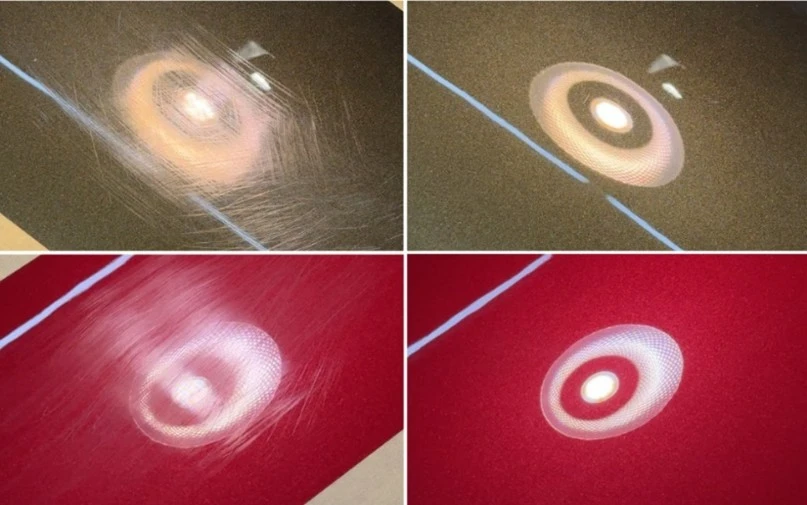
1. The Art of Paint Restoration: Why We Recommend "Precision Sanding"
When dealing with deep paint scratches or aged marks, conventional methods rely on high-speed polishers, wool pads, and heavy compounds, relying on intense friction and high pressure to "rub out" scratches. Although fast, this approach brings risks:- Heat Stress & Structural Damage to Clear Coat: Intense friction from high speeds rapidly builds up extreme heat, softening and expanding the clear coat. Prolonged high pressure can degrade clear coat structure, cause discoloration, or create irreversible paint damage.
- Tedious Follow-up Steps: Severe buffer swirls and holograms caused by heavy wool compounding require multi-step refining (medium and fine polishing), which is time-consuming and subjects the paint to repeated abrasion.
2. The ALOMAX Solution: "Grinding Over Heavy Polishing" Heat-Controlled Repair Philosophy
The "Grinding Over Heavy Polishing" approach represents a paradigm shift in modern high-end detailing: replacing prolonged high-temperature friction with targeted, precision micro-sanding.- Sanding Leveling First (Flatten Groove Sharp Edges): Use specialized fine sanding media on deep scratch areas for a few seconds to flatten the sharp V-groove edges, reducing the depth needed for subsequent polishing.
- High-Efficiency Polishing (Water-Based Cutting): Follow up with ALOMAX high-efficiency water-based compound. Leveraging high physical cutting efficiency, bring the sanded area up to a mirror gloss finish within minutes.
3. "Grinding Over Heavy Polishing" Standard SOP Process
- Step 1: Scratch Depth Assessment & Cleaning
(Key Check: Ensure scratches have not penetrated the primer / exposed base coat.)
Inspect scratch depth under lighting to ensure damage remains strictly within the clear coat. - Step 2: Precision Micro-Sanding & Leveling (Pre-step)
(Key Operation: Control sanding area precisely to prevent unnecessary clear coat wear.)
Perform brief, localized micro-sanding over the scratch to round off the sharp V-shaped top edges into a shallow, smooth depression. - Step 3: ALOMAX High-Efficiency Water-Based Polishing
(Key Operation: Maintain constant speed throughout movement.)
Apply ALOMAX water-based compound on a wool pad, moving in cross-hatch passes at steady speed. The high-cutting particles quickly eliminate sanding marks without heat buildup. - Step 4: IPA Degreasing & True Mirror Inspection
(Inspection Standard: Completely zero oily residue, verifying real cutting depth.)
Spray IPA degreaser, wipe clean, and verify zero false masking for a genuinely smooth, flawless clear coat texture.
💡 Deep Scratch & "Grinding Over Heavy Polishing" FAQ
Q1: What is "Grinding Over Heavy Polishing"? How does it differ from traditional heavy scratch repair?A1: It is a minimally invasive, precision-focused restoration technique. For deep scratches, we spend a few seconds using specialized ultra-fine sanding media to round off sharp scratch edges. Compared to traditional prolonged high-RPM heavy polishing, this avoids heat accumulation, drastically reducing clear coat softening and deformation risks.
Q2: Will "Grinding Over Heavy Polishing" strip too much clear coat?
A2: Quite the opposite! Traditional heavy polishing tends to abrade large surrounding areas repeatedly to level deep grooves, inadvertently wearing down healthy clear coat. ALOMAX "Grinding Over Heavy Polishing" performs point-to-point spot restoration, preserving maximum original clear coat thickness under low-temperature conditions.
👉 Watch Demo Short 1: https://youtube.com/shorts/bhu0f2AfOhU?si=7LaGA2UF-6vo-78W
👉 Watch Demo Short 2: https://youtube.com/shorts/Nfrqk1HHj50?si=kMIMX7tXQhgIq6Ba
-
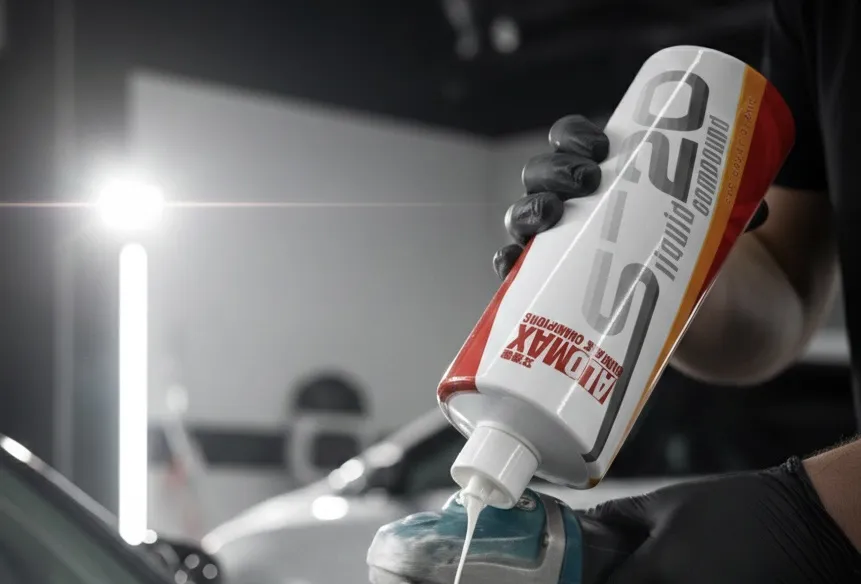
Coarse, Medium, or Fine? How to Choose the Right Polishing Compound. Master the multi-stage polishing process
-

All-in-One Efficiency: High-Performance Tool Configuration for Large-Scale Vehicle Delivery Centers
-
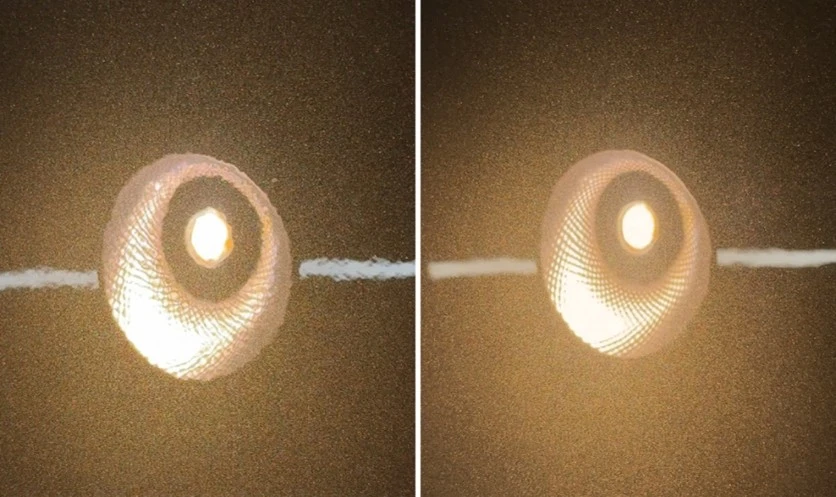
Say Goodbye to Orange Peel and Sandpaper Marks: ALOMAX Paint Micro-Leveling Technology
-
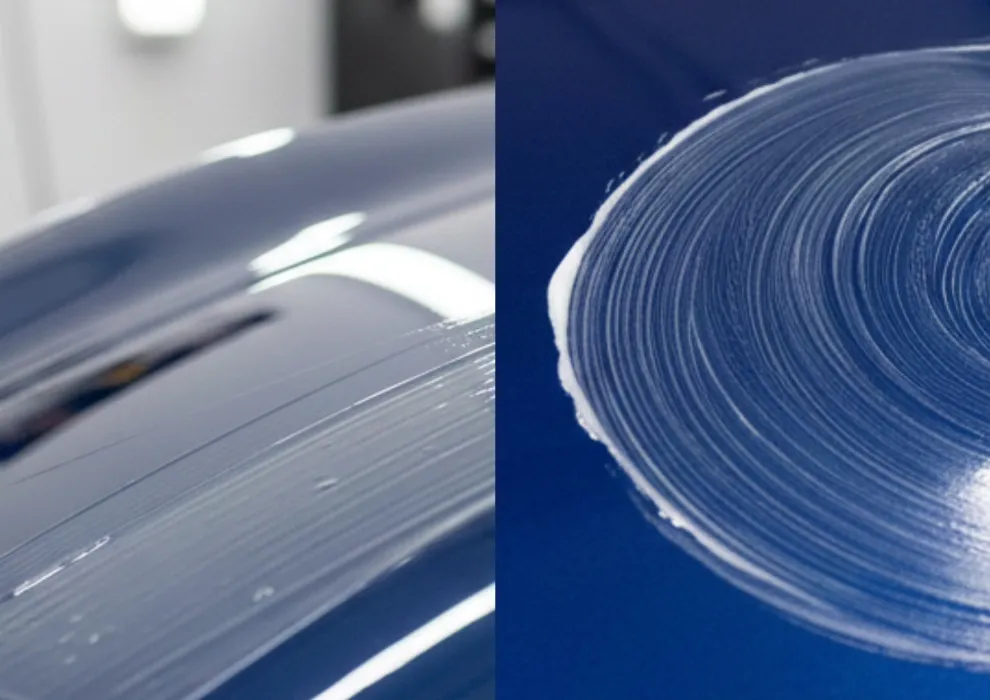
Why wax or coat after polishing? Understanding the vital role of a protective layer.